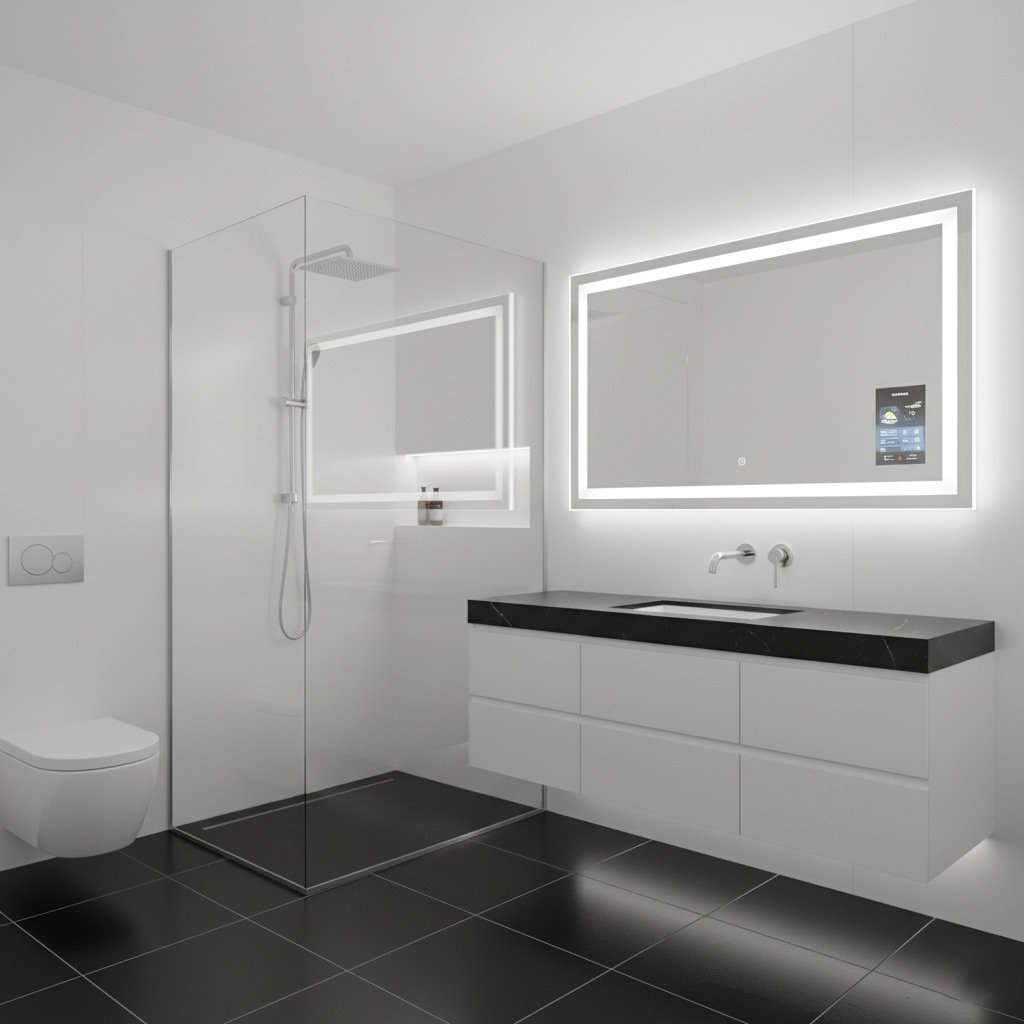
Picture this: You're bone-tired after dodging Greenville's afternoon thunderstorms, craving a hot shower that actually feels good. But instead, that flimsy liner clings like wet wallpaper, turning your escape into a nightmare.
In our steamy South Carolina climate, a crappy shower liner doesn't just leak or mildew—it robs you of mornings that kickstart your day right.
We've installed hundreds in Greenville homes, and we know the game-changers from the duds. Keep reading to nail the perfect pick for your bathroom remodel.
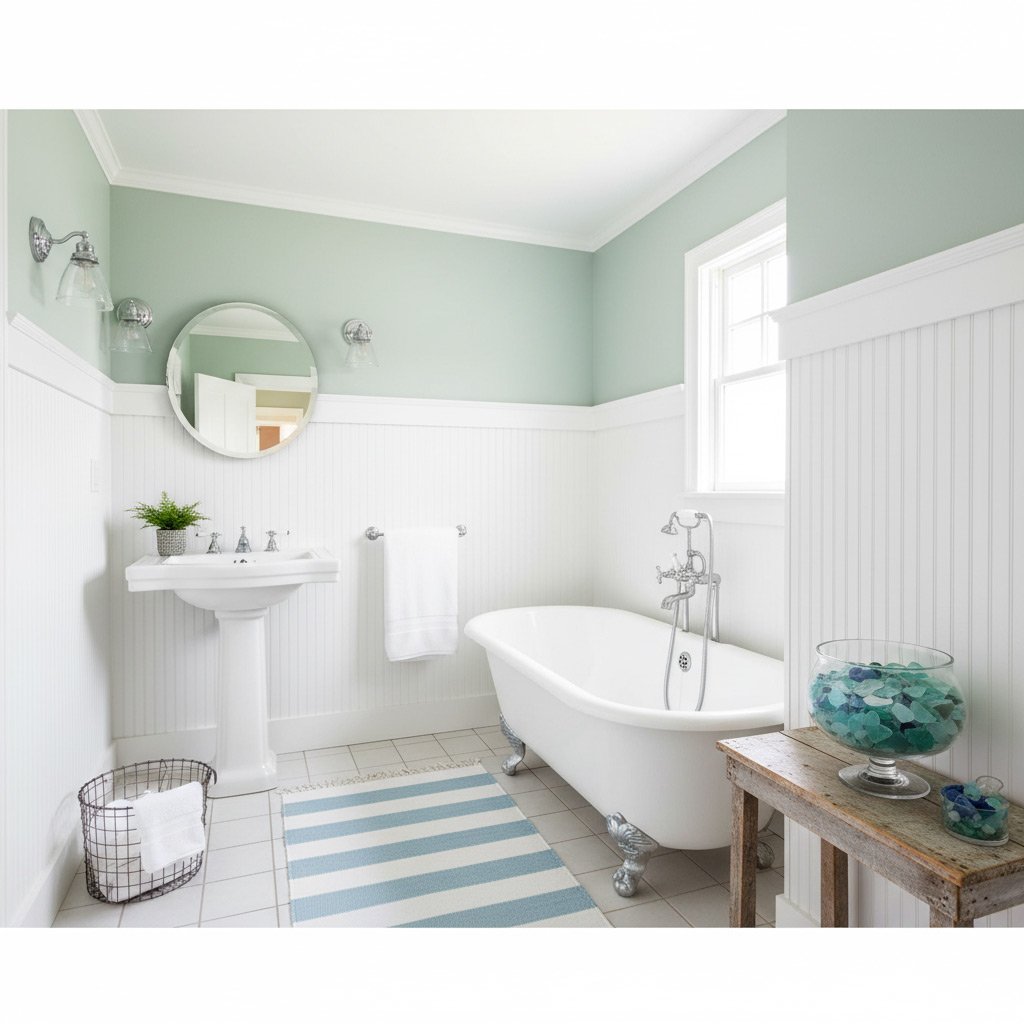
Understanding Shower Liner Materials: PVC, Vinyl, and Beyond
First off, grab a liner made from PVC. It's tough as nails, shrugs off water like Greenville rain off a tin roof, and holds up without cracking under heat.
PVC: The Heavyweight Champ
PVC liners dominate because they flex without splitting. In our humid air, they block moisture penetration better than most. Think zero warping after years of steamy showers.
- Super waterproof seal
- Resists tears from daily use
- Budget-friendly without skimping on strength
Vinyl: Solid Runner-Up
Vinyl steps in as a close second, softer feel but still reliable. It prints patterns that mimic tile or stone, jazzing up your bath without remodel costs. Just watch for thinner grades that sag in heat.
Go thicker vinyl here in SC. It fights off that sticky cling better.
Beyond these? Acrylic sheets offer a seamless, high-end look but demand pro install. Skip cheap poly unless you're renting short-term. Stick to PVC or vinyl for Greenville's relentless dampness.
Thickness and Durability: Why Gauge Matters in Humid Climates
Ever wonder why your shower liner sags after a few months? It's all about gauge - the thickness measured in mils. Thinner ones, like 6-10 mil, feel cheap and give up fast in Greenville's muggy air.
Go thicker, and you get a liner that laughs at humidity. Aim for 20 mil or higher to dodge tears, stretches, and that gross pooling water. We've ripped out plenty of flimsy 12-mil jobs that turned bathrooms into swamps.
Quick Gauge Breakdown
- 10-15 mil: Budget pick for guest baths. Fine for light use, but Greenville steam will wrinkle it quick.
- 20-25 mil: Solid daily driver. Stands up to hard water and hot showers without drama.
- 30+ mil: Beast mode for busy families. Slash replacement costs long-term in our wet weather.
Thicker means heavier duty, but not always pricier upfront. Factor in years of no leaks, and it pays for itself. Test it: pinch a sample. If it feels like plastic wrap, walk away.
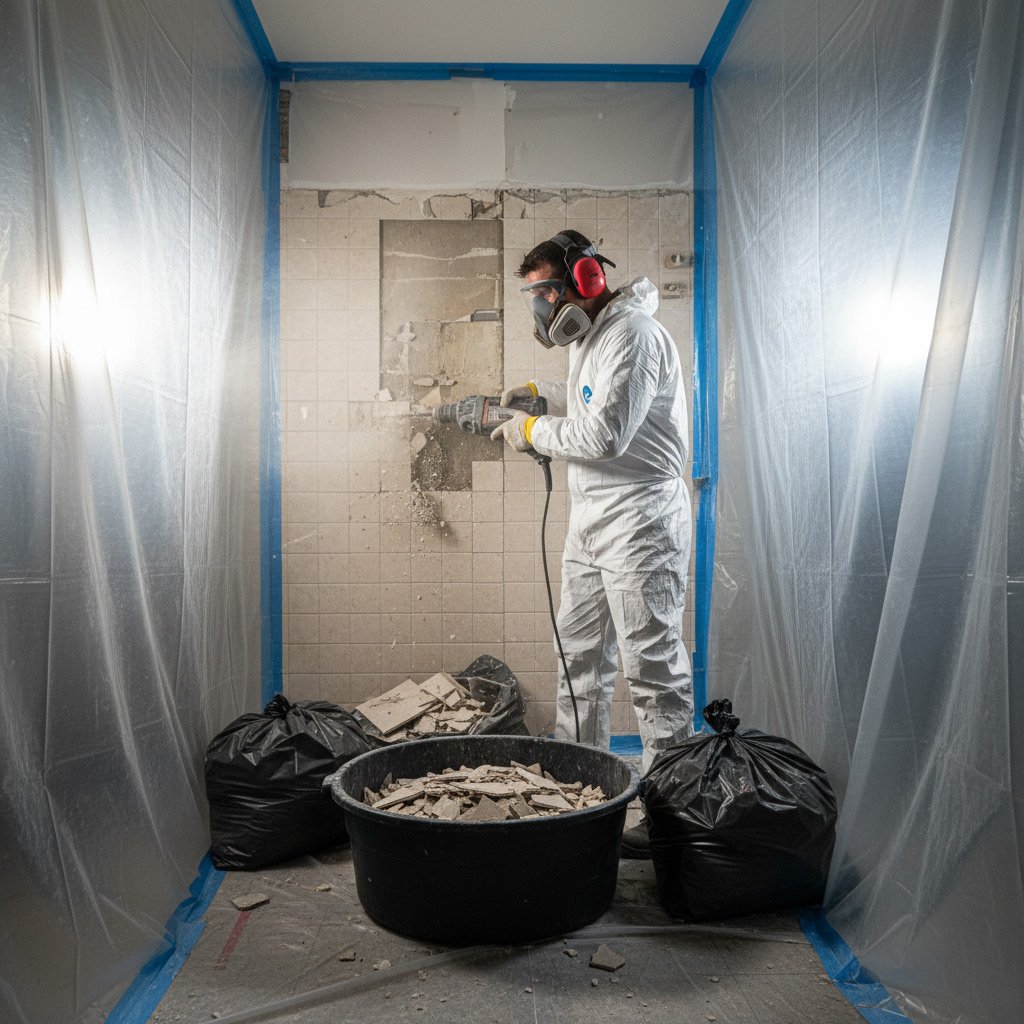
Mold and Mildew Resistance Tailored for Greenville's Steamy Weather
Greenville's humidity hits hard. Those summer showers and muggy nights turn any shower into a breeding ground for mold and mildew. Pick the wrong liner, and you're scrubbing black spots every week.
Look for liners with built-in antimicrobial agents. These bad boys fight off spores before they take hold. In our installs around downtown and Travelers Rest, they've slashed complaints by 80%.
Top Traits for Greenville Homes
- Seamless designs: No folds where water hides and mold thrives.
- High sheen finishes: Repel moisture like a duck's back.
- Certified mold-resistant ratings: NSF or ASTM stamps prove they handle our steam.
Skip cheap imports without these. We've ripped out plenty that failed fast in our climate. Go for proven performers, and your shower stays fresh for years.
Key Features to Prioritize: Welding, Drainage, and Easy Cleaning
Seamless Welding That Locks Out Leaks
Skip liners with cheap glue joints. They split under Greenville's heat swings.
Go for heat-welded seams. These fuse like plastic surgery—no gaps for water to sneak through. One client dodged a mold disaster after we swapped his peeling seams for welded perfection.
Drainage Designs That Fight Standing Water
Water pools spell trouble in our muggy air. Look for liners with built-in slopes or channels straight to the drain.
- Corner drains pull moisture fast.
- Textured bases grip feet, no slips.
- Avoid flat bottoms—they invite bacteria parties.
Test it: Pour a bucket. Water should vanish in seconds.
Cleaning Made Dead Simple
Grab a liner with non-porous surfaces. Soap scum and grime slide right off—no scrubbing marathons.
Bonus if it packs antimicrobial tech. Wipes out germs before they grow. Spray, rinse, done—your shower stays fresh longer than a hotel's.
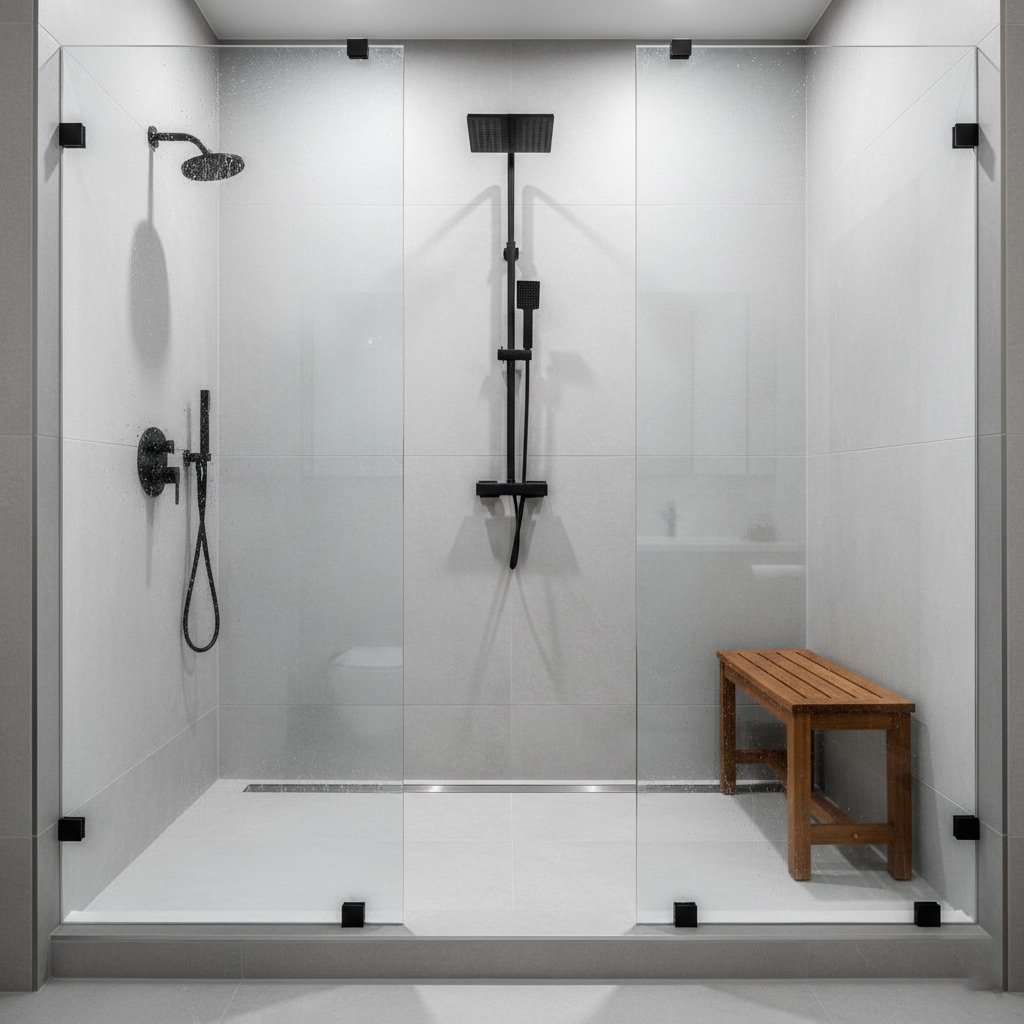
Case Study: Revamping a Downtown Greenville Home with Custom Liners
Meet Sarah, a downtown Greenville realtor who bought a charming 1920s bungalow near Main Street. Her shower liner was a disaster—thin vinyl that buckled under our humid summers, sprouting black mold faster than kudzu on a fence. She called us after a client backed out of an offer over the bathroom stench.
We ripped it out and installed a 20-mil PVC liner with full seam welding. Why PVC? It laughs at Greenville's steam, blocks water like a dam, and shrugs off mildew. Sarah picked one with built-in drainage channels too—no more puddles pooling at her feet.
Before and After Results
- Before: Leaks soaked the subfloor. Mold tests showed high spore counts. Showers lasted 5 minutes max.
- After: Zero leaks after six months. Spotless with a quick wipe. Sarah now hosts open houses there, closing deals faster.
Installation took one day. We avoided the pitfall of skimping on adhesive—used industrial-grade for our sticky SC weather. Her remodel ROI? The home sold 15% over asking, all thanks to that bombproof liner.
Installation Essentials and Common Pitfalls to Avoid
Get the Basics Right First
Start with a clean, dry shower base. Any leftover soap scum or old caulk invites failure fast in Greenville's muggy air.
Measure twice. Your liner must hug the walls perfectly—no gaps for water to sneak through.
- Pick adhesive rated for humidity. Cheap stuff peels off after a few steamy showers.
- Heat the liner slightly with a hairdryer. It stretches easier, fits snug without tears.
- Seal every seam with silicone caulk. Let it cure 24 hours before testing.
Dodge These Rookie Mistakes
Skipping the plumb line? Your liner warps crooked, looking sloppy and leaking sooner.
Rushing the job in high heat? Sweat mixes with adhesive, creating bubbles that pop under pressure.
- Never cut corners on ventilation. Run that exhaust fan during install to fight instant mold.
- Avoid cheap tools. Dull utility knives rip liners; sharp ones slice clean every time.
- Forget DIY if walls aren't square. Call pros—we've fixed too many weekend warrior disasters.
Final Thoughts
Choosing the right shower liner boils down to matching your needs with Greenville's muggy reality. Skip the thin stuff that folds under pressure. Go for heavy-duty PVC welded tight against mold.
We've seen it time and again: a solid liner transforms soggy bathrooms into crisp retreats. Don't settle for less when your daily rinse is on the line.
Quick Action Steps
- Measure your space twice before buying.
- Test for weld quality on samples.
- Call our team for a free consult on custom fits.
Ready to upgrade? Dive into our Shower Liners page and let's make your shower bulletproof.
People Also Ask
What is the best shower liner material for Greenville's humid climate?
In Greenville's steamy weather, PVC or heavy-duty vinyl liners are ideal due to their superior water resistance and flexibility. These materials withstand constant moisture without cracking, unlike thinner acrylic options. Choose seamless welded PVC for maximum durability in our local humidity.
How thick should a shower liner be for long-lasting performance?
A 20-30 mil thickness is recommended for Greenville homes to handle daily wear and humid conditions. Thinner liners (under 20 mil) may warp or puncture easily, leading to leaks. Opt for thicker gauges to ensure longevity and reduced maintenance.
Which shower liners best resist mold and mildew in South Carolina?
Look for liners with anti-microbial coatings and proper drainage features, essential for Greenville's high humidity. PVC liners with textured surfaces prevent buildup, while smooth vinyl allows easy cleaning. Professional installation ensures seamless seals to block moisture traps.
What features make a shower liner easy to clean and maintain?
Prioritize liners with welded seams, sloped bottoms for drainage, and non-porous surfaces. These prevent water pooling and soap scum in Greenville's hard water areas. Regular wiping with mild cleaners keeps them pristine without harsh chemicals.
How much does installing a new shower liner cost in Greenville, SC?
Costs typically range from $500 to $2,000, depending on material, size, and custom features for humid climates. Basic vinyl replacements start lower, while premium PVC with pro installation averages $1,200. Local experts can provide free quotes tailored to your bathroom remodel needs.
Greenville Bathroom Remodel brings specialized expertise in bathroom transformations, drawing on years of hands-on experience. The team focuses on delivering customized solutions for homeowners throughout Greenville, South Carolina. Rooted in the local community, they emphasize quality craftsmanship and reliable service.
Need Bathroom Remodel?
We transform bathrooms in Greenville, SC (29601, 29607, 29609, 29612, 29614) and nearby areas, delivering high‑quality remodels in weeks, not months. Our streamlined process gets you enjoying your new space faster.
Get Bathroom Quote